
One of the most common challenges I run into when working with clients isn’t the design or the development — it’s the terminology. Words like “SEO,” “hosting,” or “performance optimization” get thrown around a lot, but they’re rarely explained in a way that actually helps someone make informed decisions.
Over the years, I’ve learned that good web work isn’t just about building the site — it’s about making sure clients understand what’s being built and why it matters. This is how I break down web design and SEO concepts in plain language, without watering them down.
Why Web Jargon Gets in the Way
Most business owners don’t need to become web experts. They just need clarity. When terminology isn’t explained properly, it creates confusion, slows down decision-making, and sometimes leads to mistrust.
When I work with clients through Austin Web & Design, my goal is always the same: remove the mystery. If someone understands what’s happening under the hood of their website, they’re more confident in the process and the long-term value of the work.
How I Explain SEO Without the Buzzwords
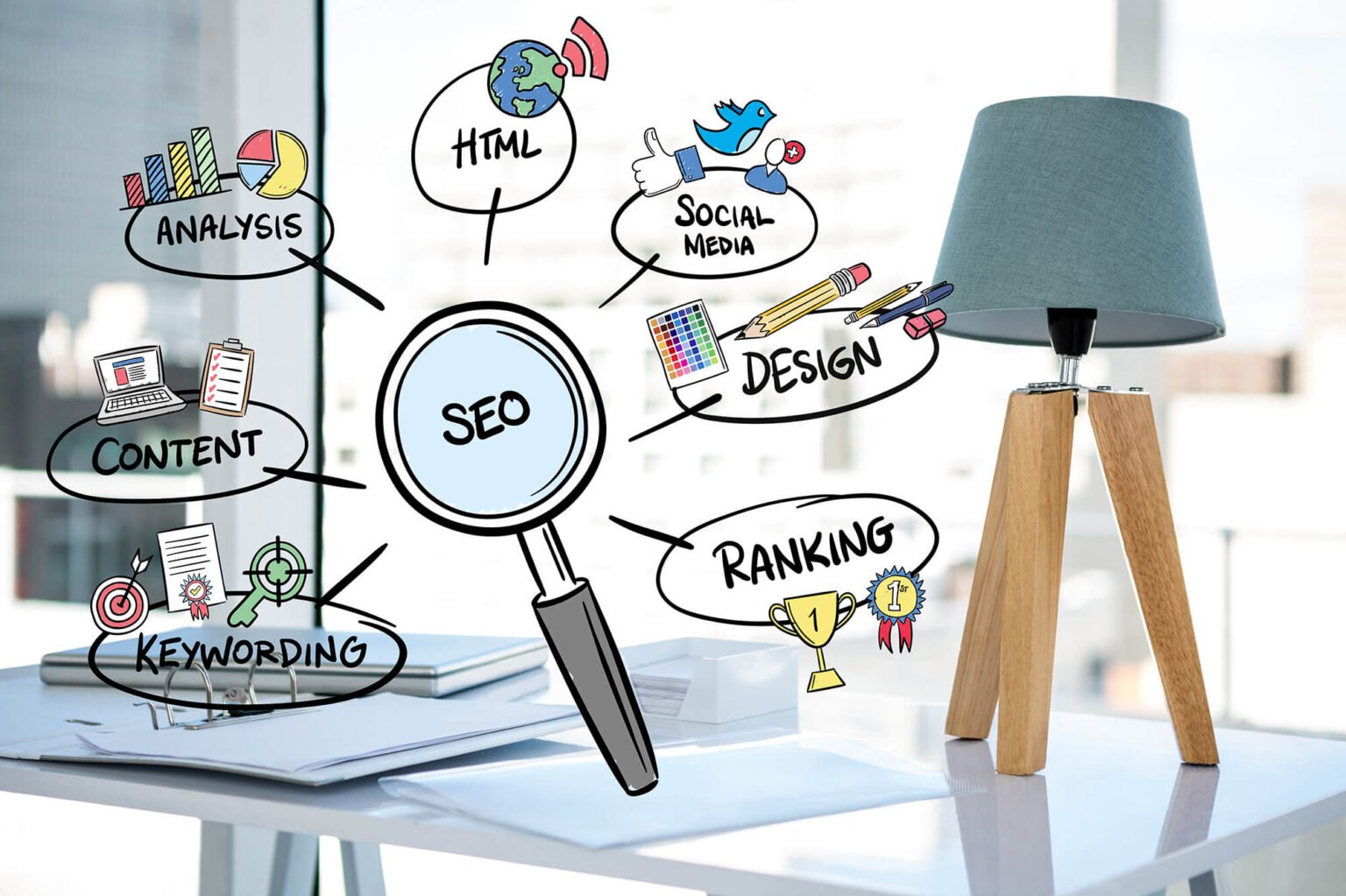
SEO doesn’t have to be complicated. I usually explain it like this: search engines are trying to understand what your website is about and whether it deserves to be shown to the right people.
That means clear page structure, helpful content, fast load times, and a site that works well on all devices. No tricks. No shortcuts.
For clients who want to go deeper, I often point them to a plain-English glossary that breaks down common web and digital marketing terms without the fluff. It’s a great reference when questions come up later.
Website Vocabulary Glossary: Web Design & Digital Marketing Terms (A–Z)
What “Good Web Design” Actually Means
When clients hear “web design,” they often think it’s only about how the site looks. Visual design is important, but it’s just one piece of the puzzle.
I explain web design as the balance between layout, usability, performance, and content. A site should be easy to navigate, quick to load, and structured in a way that makes sense to both users and search engines.
If any one of those elements is ignored, the site may look nice but won’t perform the way it should.
Clarity Leads to Better Long-Term Results
When clients understand the terminology, they’re better equipped to manage their site, create content, and make smart updates over time. That’s especially important for WordPress sites, where ongoing maintenance and content updates play a big role in performance and security.
Clear explanations also make collaboration easier. Instead of talking past each other, everyone is working from the same understanding — which leads to better outcomes.
My Approach When Working With Clients
Whether I’m building a site from scratch or supporting an existing one, my approach stays the same: explain the process clearly, make intentional technical decisions, and build something that’s easy to maintain.
This mindset carries through all of my work with Austin Web & Design, where we focus on practical solutions — not buzzwords — and websites that actually support a business’s goals.
If you ever feel overwhelmed by web terminology, you’re not alone. A good website partner should help simplify the process, not make it harder. Clear communication is just as important as clean code.